
翻訳本を読んだ時に感じる違和感の正体とは?
洋書の翻訳本を読んだときに違和感を感じたことはないでしょうか?
- 日本語なのに、どこかしっくりこない…
- 著者の思いがダイレクトに伝わってこない…
- 結局何が言いたいのかわからない…
私の母国語は日本語ですが、日本語の翻訳本よりも英語の原書の方が内容がクリアに伝わってきて、より本質を捉えることができます。
では、この違和感の正体は一体何なのでしょうか?
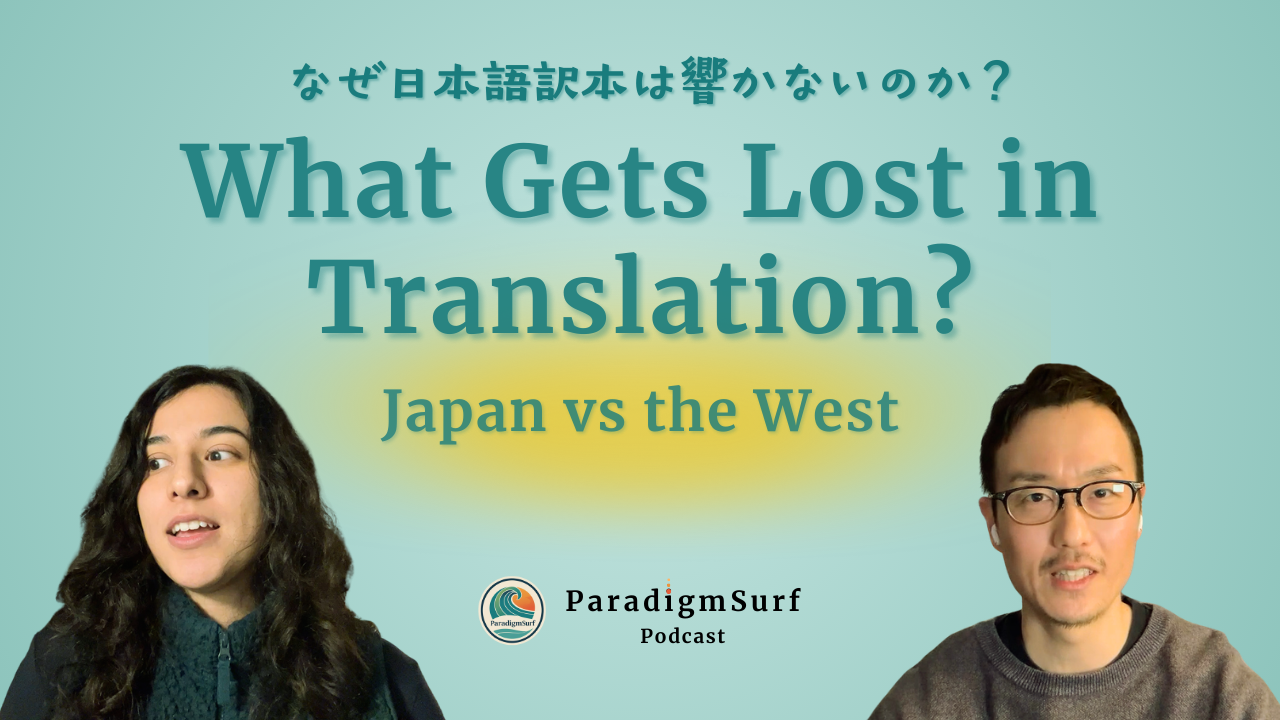
今回は、「翻訳本で失われるもの」について英語でゆるく語っています。
日本語訳本が薄く感じる理由
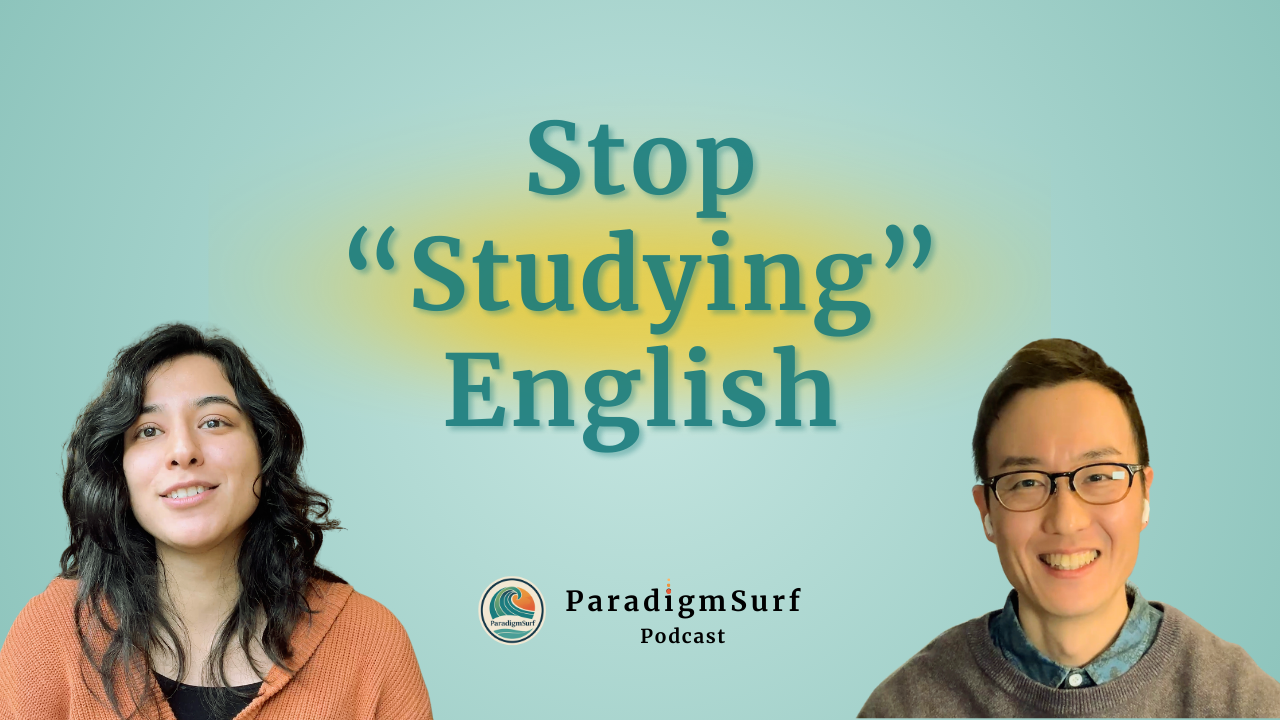
本記事は、Paradigm Surf Podcastのエピソード
What Gets Lost When Books Are Translated? | Japan vs the West
での内容を文字起こししたものです。
当記事はポッドキャストのエピソードで話された内容をほぼそのまま再現しているため、英語の文法や表現の間違いもそのまま掲載しています。予めご了承ください。
翻訳本への違和感
 Abby
AbbyLast time we left off talking a little bit about the differences in West and Eastern spirituality.
I think we both realized it was much more complex than we initially thought.
So I would love to continue the conversation again.
This time, I just thought of the most interesting thing and that was not just about online content, how it’s available in both sides of the world, but…
Tell me a little bit about the kind of books and resources that are available, say, specifically in Japan and then in the Western world, whether it’s the US, Canada, because we’ve talked about the shortage of materials, right?
Perhaps a lot of the spirituality materials tend to come from English content, and then they’re later then translated into different languages.
What do you see in the realm of books, of literature?
Is there a difference in production?
前回は西洋と東洋のスピリチュアリティの違いについて話しましたね。
当初思っていたよりもずっと複雑な内容だって、お互い気づいたんじゃないかな。
この会話、もっと続けましょうよ。
今回すごく面白いなと思ったのは、オンラインコンテンツがどこでも見れるってことだけじゃなくて…
日本と西洋(アメリカやカナダとか)で、手に入る本やリソースにどんな違いがあるのか教えてくれませんか?
スピリチュアル系のコンテンツって、だいたい英語で出てから他の言語に翻訳されることが多いですよね。
文学とか本の分野で、何か違いを感じることはありますか?
 Eiji
EijiYes, I think so because especially I read both English books and Japanese books.
Even though it’s translated from the English books, I feel different impressions from both languages.
I can consume the ideas from English books more than Japanese books because Japanese translated books are a little too optimized to Japanese audience.
That’s what I feel.
Sometimes they cut the important ideas or they don’t interpret the ideas correctly.
So the concept could be unclear or not deep.
うん、あると思うよ。
僕は英語の本も日本語の本も両方読むんだけど 、たとえ英語からの翻訳本だったとしても、言語によって受ける印象が全然違うんだよね。
正直、日本語の翻訳本よりも英語の本の方が、内容がスッと入ってくるんだ。
なんていうか、日本の翻訳本って日本の読者に最適化(忖度)されすぎてる感じがするんだよね。
それが僕の率直な感想かな。
AbbyI heard this before that certain books are better read in their original language.
And it’s interesting that you say it takes away like it’s catered and the word usage is more catered towards Japanese audiences, right? Or consumers.
それ、聞いたことあります。
本によっては原語で読んだ方がいいって言いますよね。
日本の読者向けに言葉選びが調整されすぎてるって、興味深い指摘だなあ。
言語のエネルギーと翻訳の質
AbbyI don’t want to talk about things that are too negative, but what’s the biggest disappointment when it comes to what you read in Japanese?
あんまりネガティブなことは言いたくないんだけど、日本語で読んだ時に一番「ガッカリ」したことって何ですか?
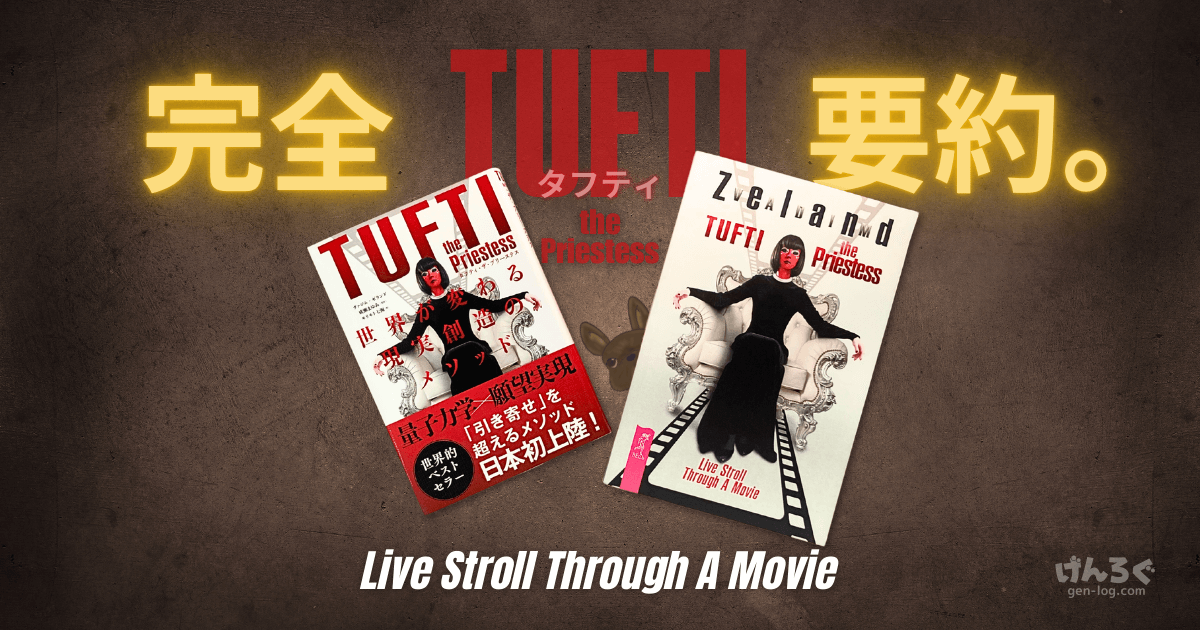
EijiFor example, Tufty.
Actually the original is Russian. The English book is also translated version, but I still feel the English version is more powerful than the Japanese version.
I think the idea is interpreted correctly in the English book.
So I thought it’s not about the original or not.
It’s just, I don’t know, the energy of language.
I think English is more straightforward but Japanese is more vague or sensitive.
I think it’s about the comprehension of the audience.
That’s why, they just introduce the shallow part or they just transform the idea to easier understanding. That’s I feel.
例えば『タフティ』。
これ、原著はロシア語で英語版も翻訳なんだけど、それでも日本語版より英語版の方がパワフルに感じるんだ。
英語版の方が、アイデアが正しく解釈されてる気がするんだよね。
だから、原著かどうかはあんまり関係なくて 、なんていうか「言語のエネルギー」みたいなものがあるんじゃないかな。
英語はストレートだけど、日本語はもっと曖昧だったり繊細だったりするしね。
たぶん、読者の理解力に合わせようとしてるんだと思うんだけど 、そのせいで浅い部分しか紹介してなかったり、分かりやすくするためにアイデアを形変えちゃったりしてる気がするんだ。
AbbyI think that’s really interesting because I feel like a lot of these topics are very important to translate directly, right?
Translate every word, every concept.
So I’m really surprised to hear that a book like Tufti, the concepts weren’t as digestible, let’s say, in Japanese because of…
Now, is that a language issue?
Like the Japanese language just doesn’t grasp the expressions as well as you could express it in Russian or in English?
それは面白いですね。
こういうトピックって、一語一語、コンセプトをしっかり直接翻訳することが大事だと思うんですけど。
『タフティ』みたいな本が日本語だと分かりにくいっていうのは意外です。
それって言語の問題なのかな?
EijiI think it’s just maybe about the quality of the translation.
いや、たぶん単純に翻訳のクオリティの問題だと思うよ。
AbbyOh, that’s a different story, hehe.
あれ?それはまた話が違ってきますね笑
EijiBecause I’m writing blog, right?
And I sometimes get messages like,
“Oh, your interpretation is very clear. And now I understand everything. When I first read the book of Tufti, I couldn’t understand at all. But after I read your article, now I understand the idea clearly. So thank you.”
Something like that.
I think it’s about translation.
僕、ブログを書いてるでしょ?
たまに読者から「エイジさんの解釈はすごくクリアで、やっと全部理解できました」とか、「本を読んだ時はさっぱりだったけど、記事を読んでようやく分かりました」なんてメッセージをもらうんだ。
だから、やっぱり訳し方の問題なんだろうね 。
AbbyThat’s a wonderful message!
それは素敵なメッセージですね!
本質を捉える難しさ
EijiOr maybe I have that ability because I’ve read both in English and Japanese.
I don’t know why their interpretation is a little too complicated or not direct enough.
Or sometimes they tend to be a little poetic.
That makes things more vague.
もしかしたら、僕が英語と日本語の両方で読んでるから、そういう風に(本質を)掴める能力があるのかもしれないけど。
なんで翻訳本の解釈ってあんなに複雑になっちゃったり、回りくどかったりするんだろうね。
たまに詩的になりすぎてて、余計に中身がぼやけちゃってることもあるし。
AbbyNow, what you’re saying also is that because of your blog you were able to help somebody understand these topics, right?
So it’s not impossible. It might just be an error with the translations not being as clear as they could be.
つまり、あなたのブログが誰かの助けになってるってことは、翻訳がもっとクリアであれば不可能じゃないってことですね。
EijiYeah, but books like Tufti or Abraham, it’s hard to interpret from the surface level.
The interpreter should understand the core idea, so not only the translation.
So they have to have the idea of what’s dimension, what’s vibration, what’s reality.
The core idea is needed to understand the whole thing.
そうだね。ただ、『タフティ』とか『エイブラハム』みたいな本は、表面的なレベルで解釈するのは難しいんだ。
訳す人がちゃんと「核心」を理解してないとね。
次元とか、波動とか、リアリティ(現実)がどういうものかっていう概念が分かってないと、全体像は掴めないと思う。
あと、日本の自己啓発本もたまに読むけど、正直なところ英語の本に比べると内容が浅いなーって感じちゃうことが多いかな。
AbbyI see.
And do you come across similar issues with other books and other translations?
なるほど。
他の本や他の翻訳でも、同じような問題に遭遇することはありますか?
EijiNo, but I sometimes read Japanese books like self-help books but unfortunately, most of time I feel they are too shallow compared to English books.
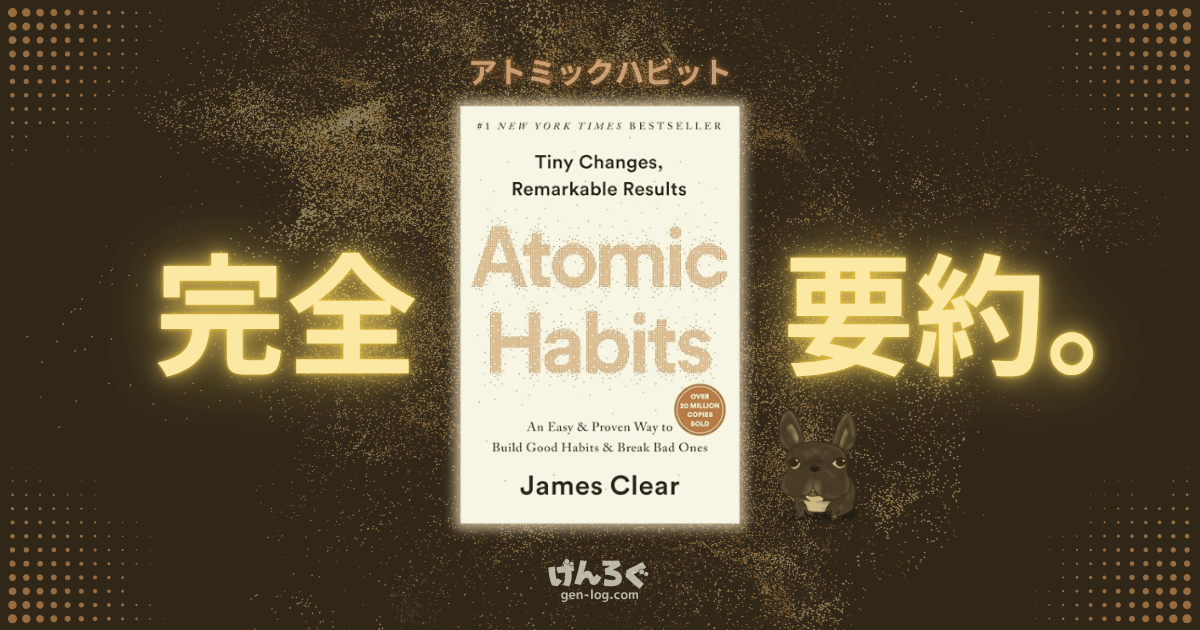
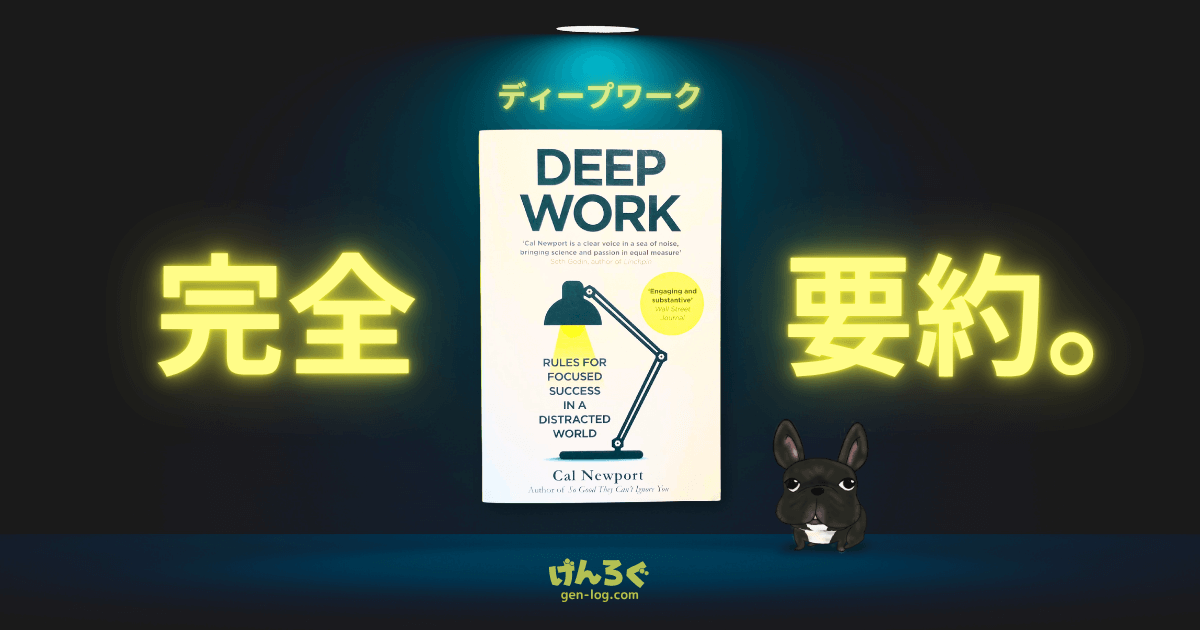
I’ve read Atomic Habits or Deep Work or The Power of Now.
They are so profound.
But on the other hand, there are so many similar books in Japanese, but I feel they are just copied some books, some good books.
They’re rephrasing the core idea.
いや、でも僕はたまに日本の自己啓発本とかを読んだりするんだけど、残念ながら、英語の本に比べると内容が浅すぎるって感じちゃうことがほとんどなんだよね。
『アトミック・ハビッツ』や『ディープ・ワーク』、『ザ・パワー・オブ・ナウ』などは非常に深くて本質的なんだ。
一方で、日本には似たような本がたくさんあるけど、それらは良書をコピーして、核心となるアイデアを言い換えているだけのように感じちゃうんだ。
AbbyReally?
Well, there you have it.
なるほど、そういうことですね。
EijiYeah.
うん。
おすすめの本と日本独自の視点
AbbyI have always wanted to try to, I guess, approach some of these books. Now, a book like Tufti is pretty complicated in English.
Now, for people who wanted to read it, for people who want to learn about spirituality, Is it a book you recommend reading immediately or later on when you have a little bit more of a base foundation for spirituality?
ずっとこういう本を読んでみたいなって思っていたんです。
でも、『タフティ(Tufti)』みたいな本って、英語で読んでもかなり複雑ですよね。
スピリチュアリティを学びたい人にとって、『タフティ』はすぐに読むべき本ですか?
それとも基礎を築いてからの方がいいでしょうか?
EijiTufti?
タフティのことかな?
AbbyYes, and Deep Work and Atomic Habits.
Are these high-level books or can you jump in?
そう。あと、『ディープ・ワーク』や『アトミック・ハビッツ』も。
これらはハイレベルな本ですか?それとも、いきなり飛び込んでも大丈夫?
EijiNo, Tufty is obviously a high-level book. One of the highest level books.
But Atomic Habits, Deep Work, or maybe The Power of Now.
It’s fine. It’s just not spiritual at all.
The Power of Now is a little spiritual, but more realistic.
It’s just more about the meditative mind.
Just focus on the present. Don’t think about the future and the past.
That’s more psychological solution.
But Tufty and Abraham are really esoteric.
But I don’t consider them as spiritual.
They are more like the concept of reality.
And how your life or how your reality actually works.
That’s just the explanation of the universe, the law of universe.
『タフティ』は明らかにハイレベルだね。最も難解な本の一つだと思うよ。
でも『アトミック・ハビッツ』や『ディープ・ワーク』、あるいは『ザ・パワー・オブ・ナウ』は全然大丈夫。
そんなにスピリチュアルってわけでもないしね。
『ザ・パワー・オブ・ナウ』は少しスピリチュアル寄りだけど、より現実的で、瞑想的なマインド…つまり今この瞬間に集中することを説いているんだ。
一方で『タフティ』や『エイブラハム』は、かなり難解だね。
ただ、僕はこれらをスピリチュアルとは考えてなくて、現実のコンセプトや、人生や現実が実際にどう機能しているかっていう、宇宙の法則の解説書だと思ってるんだ。
AbbyAnd one of the last questions I’ll ask you, or if not the last question I’ll ask you for today will be a book like Tufti.
Now in Japanese made written by a Japanese author, is there anything equivalent?
Or what could people read if you know of a book that has the same kind of types of topics or, let’s talk about things as complex as tufti, but made in Japan, so to speak.
日本人の著者によって書かれた、同じような複雑なテーマを扱った本はありますか?
いわば、日本版の『タフティ』みたいな。
EijiBecause Tufty is very special, very unique.
I can’t find any other similar books like Tufty.
But there are many good Japanese books too.
For example,
Hitori Saito. It’s a very famous Japanese author, the spiritual author.
He is a very successful businessman and also he’s a very spiritual person.
His core idea is the importance of gratitude.
So if you keep saying positive words, like thank you, or I love you, or it’s fun or enjoy, your life is going to be as you mentioned, as you say the word out loud. So that’s his core idea.
And so many people are applying it to their lives and then their lives are drastically changing.
『タフティ』はめちゃくちゃ特殊でユニークだから、似たような本はちょっと思い当たらないな。
でも、日本にも良い本はたくさんあるよ。
例えば斎藤一人さんとかね。
すごく有名な実業家だけど、同時にすごくスピリチュアルな方なんだ。
彼の核心的なアイデアは「感謝の重要性」だね。
「ありがとう」「愛しています」「楽しい」といったポジティブな言葉を口にし続ければ、人生はその言葉通りに変わっていくよっていう教えなんだ。
多くの人がこれを実践して、人生を劇的に変えてるよ。
AbbyI think there’s a common phrase I’ve used a lot in English and that’s, “Fake it till you make it.” yeah, I think what you said about his book is absolutely a beautiful note to end on.
And I want to say thank you so much, Eiji, for telling us so much about what you know.
And if you, we do have other book recommendations, I think we can write those below or have people write their book recommendations in the comments.
So thank you so much for a wonderful episode again, and let’s talk again soon.
英語にも「Fake it till you make it(うまくいくまで、そのふりをしろ)」という言葉がありますね。
ええ、彼の本の話題は、締めくくりに最高に美しいメッセージだと思います。
エイジ、あなたが知っていることをたくさん教えてくれて本当にありがとう。
EijiYeah, thank you.
See you next time.
こちらこそ、ありがとう。
ではまた次回。
まとめ
このエピソードのまとめ
- 翻訳本への違和感
- 日本語訳の本は、日本の読者に合わせて内容を調整・簡略化(最適化)しすぎているため、原著の深みや重要なアイデアが損なわれていることがある。
- 「言語のエネルギー」と翻訳の質
- 言葉をただ置き換えるだけでなく、その背景にある「エネルギー」や「本質」を捉えることが重要。
- 翻訳者が次元、波動、現実の仕組みといった核心的なコンセプトを深く理解していないと、内容は曖昧で複雑になってしまう。
- 日本と英語圏の書籍の違い
- 英語の書籍(自己啓発本など)に比べ、日本の本は有名な洋書のコピーや言い換えのように感じられ、内容が浅いと感じることが多い。
- おすすめ書籍の難易度
- 『タフティ』『エイブラハムの教え』:非常に難解でハイレベルな「現実創造の解説書」。
- 『アトミック・ハビッツ』『ディープ・ワーク』:自己啓発書の定番。
- 『ザ・パワー・オブ・ナウ』:スピリチュアルに寄りすぎず、初心者でも入りやすい良書。
- 日本独自の素晴らしいリソース
- 日本にも、斎藤一人さんの「感謝の教え(天国言葉など)」のように、シンプルながら人生を劇的に変える力を持つ深遠な教えが存在する。
Abbyのレッスンを受けたい人はこちら